Cold Plunge Science: Deliberate Stress for Systemic Resilience
May 15, 2026 · 7 min read
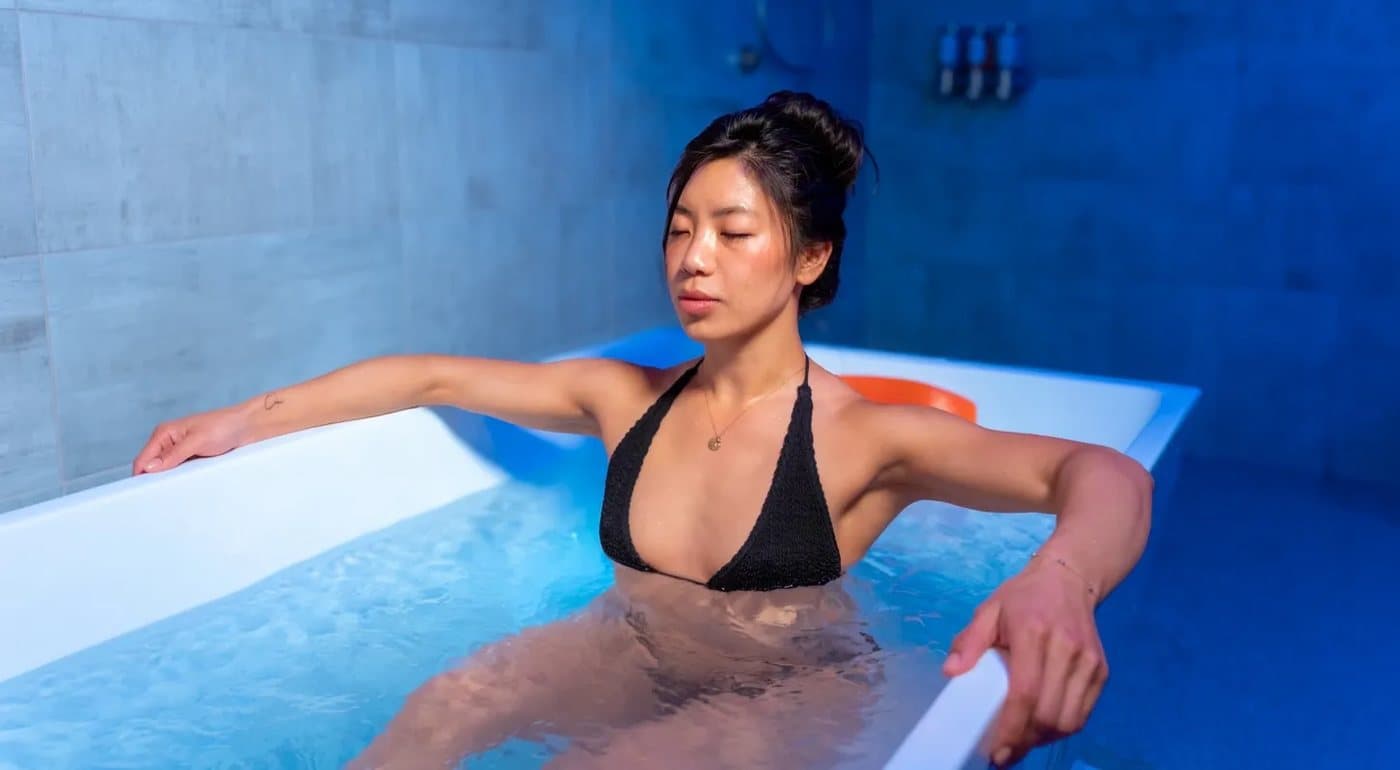
The idea that stress can be good for you is not new. What is new is the precision with which we can measure its effects on the autonomic nervous system.
Hormesis, Not Trauma
The key distinction is dose. Uncontrolled chronic stress degrades the nervous system. Controlled acute stress — what biologists call hormesis — strengthens it.
The Physiological Response
Within seconds of cold exposure, the sympathetic nervous system activates: norepinephrine spikes, heart rate increases, peripheral vasoconstriction shunts blood to the core.
The intervention happens in the recovery. As the body rewarms, parasympathetic rebound occurs — often to levels higher than baseline.
Protocol NSR-2026 Data
- Participants completing 3x weekly contrast therapy showed 28% greater HRV improvement than the control group
- Cold plunge sessions standardized at 2-3 minutes at 50-55°F, followed by 15-minute sauna at 175°F
- Inflammatory markers (IL-6, CRP) decreased significantly in the contrast therapy cohort
- Sleep latency improved by an average of 18 minutes
Why Contrast Therapy Works
The alternation between hot and cold creates a vascular pump: vasodilation in heat, vasoconstriction in cold. This mechanical action improves lymphatic drainage, reduces muscle soreness, and provides a controlled stressor that the autonomic system must adapt to.
At SoliVana, we do not believe in suffering for its own sake. We believe in precision. Cold plunge is not a test of willpower. It is a tool for building autonomic resilience — one degree at a time.