Wearable Integration in Clinical Research: From Consumer Gadgets to Validated Instruments
June 26, 2026 · 8 min read
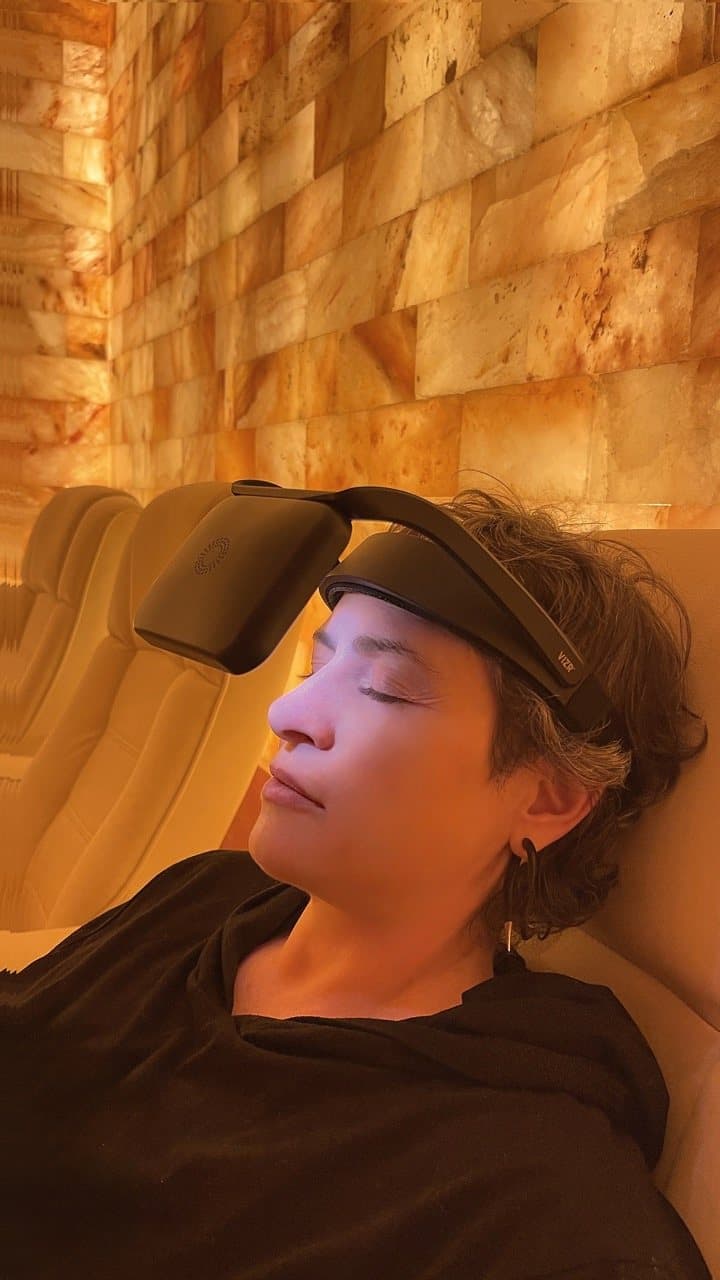
The biggest limitation in clinical research is not funding or recruitment. It is data density. A blood draw captures one moment. A wearable captures every moment. At SoliVana, we are exploring how consumer-grade wearables can meet research-grade standards — if you know how to validate them.
The Snapshot Problem
Traditional clinical trials rely on periodic assessments: a blood draw at baseline, a questionnaire at week 4, a follow-up at week 12. This produces snapshots — isolated data points separated by weeks of unknown physiological state. It is like trying to understand a movie by looking at three frames.
Continuous monitoring solves this. A wearable that records HRV, heart rate, skin temperature, and movement every few seconds creates a physiological movie — revealing patterns, trajectories, and responses that periodic assessments simply cannot capture.
Validation: The Critical Step
Not all wearables are created equal. Before integrating any device into Protocol NSR-2026, we subject it to a rigorous validation pipeline:
- Gold-standard comparison — wearable HRV is compared against a clinical 12-lead ECG and Polar H10 chest strap under controlled conditions
- Inter-device reliability — multiple units of the same device are worn simultaneously to assess manufacturing consistency
- Signal quality analysis — we quantify missing data, motion artifacts, and signal dropout rates across activities
- Algorithm transparency — we require manufacturers to disclose how metrics are calculated, not just what they output
- Longitudinal drift — devices are tested over 12-week periods to detect sensor degradation or calibration drift
What We Measure Continuously
Protocol NSR-2026 participants wear validated devices 24/7 for the full 12 weeks. Our continuous data stream includes:
- HRV (RMSSD, SDNN) — every 5 minutes during waking hours, every 15 minutes during sleep
- Heart rate — continuous, with activity-contextualized baselines
- Skin temperature — a proxy for circadian rhythm and thermoregulatory function
- Sleep stages — validated against polysomnography in a subset of participants
- Movement and activity — step count, activity intensity, and sedentary time
- Respiratory rate — derived from heart rate variability during rest
- Blood oxygen saturation (SpO₂) — continuous nocturnal monitoring
The AI Layer
Raw wearable data is noise without interpretation. Our AI pipeline transforms continuous streams into actionable insights:
- Anomaly detection — flags physiological events that deviate from individual baselines
- Protocol adherence tracking — verifies that participants are completing assigned interventions
- Response prediction — uses early-week data to forecast 12-week outcomes with increasing accuracy
- Personalized coaching — generates real-time recommendations based on current autonomic state
Building for Rigor
The standards for digital health data are evolving. We are building our data infrastructure with rigor and transparency in mind, so that the patterns we observe are well-documented and reproducible. Our goal is not merely to collect data — but to produce careful, well-characterized research-grade evidence.
Note: SoliVana is an internal pilot wellness research program, not an FDA-regulated entity or a medical device. Our wearable program is not certified as Software as a Medical Device (SaMD), and this article describes wellness research, not regulatory clearance.