Fire & Ice Contrast Therapy: Outcomes & Protocol Guide
October 2026 · SoliVana Wellness Lab · 11 min read
All client data is anonymized and aggregated. SoliVana Wellness Lab does not diagnose or provide medical treatment. Findings reflect wellness outcomes within our structured recovery programs. Always consult a qualified health professional before beginning any new therapy protocol.
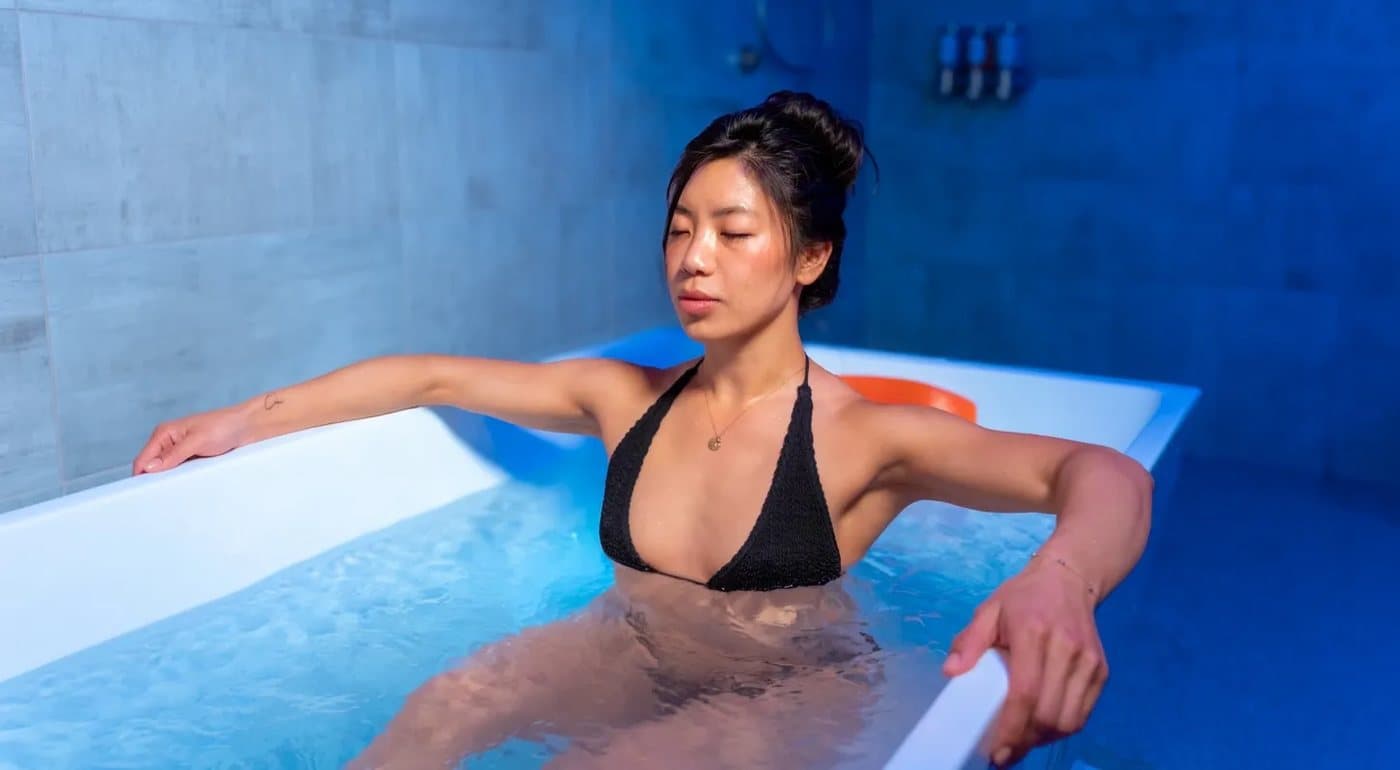
Contrast therapy — alternating between high-heat sauna and cold plunge immersion — has a long history in recovery culture. This document presents SoliVana Wellness Lab's eight-week protocol data, including client outcomes and the structured approach our team has developed for maximizing parasympathetic rebound.
Key Findings at a Glance
- → The cold plunge, not the sauna, produced the strongest immediate parasympathetic rebound
- → Structured protocols (specific timing, rounds, and rest ratios) outperformed unstructured sessions
- → HRV improvements were most pronounced in the 2-hour window following session completion
- → Clients who completed 2+ sessions per week over 8 weeks reported cumulative sleep improvements
- → The combination "Fire First, Ice Last" sequence consistently outperformed reverse sequencing
The Biology of Contrast
Contrast therapy works through thermal oscillation: the body is pushed into a heat-stress response (sauna) and then rapidly shifted into a cold-stress response (cold plunge). Each transition triggers distinct physiological cascades.
In the sauna, core body temperature rises, heart rate increases, peripheral blood vessels dilate, and the body releases heat shock proteins that support cellular repair. Blood flow to the skin and superficial muscles increases significantly.
When the body transitions to cold immersion, vasoconstriction occurs rapidly, blood is redirected to the core to protect vital organs, norepinephrine surges (often 2–3× baseline), and the vagal brake engages — slowing heart rate and activating the parasympathetic nervous system. This parasympathetic rebound is the core mechanism behind contrast therapy's recovery effects.
The key insight from SoliVana's protocol data: it is the cold plunge, not the sauna, that drives the strongest recovery signal. The sauna creates the stress state. The cold creates the recovery response.
SoliVana's Contrast Fire & Ice Protocol
The standard SoliVana Contrast Fire & Ice protocol is structured as follows:
- Round 1: 12–15 minutes in the sauna (target: 180–185°F). Exit and rest 2 minutes at room temperature.
- Cold plunge 1: 2–3 minutes in cold immersion (50–55°F). Controlled breathing throughout.
- Rest: 5 minutes at room temperature. Allow heart rate to normalize.
- Round 2: 10–12 minutes in the sauna. Exit and transition directly.
- Cold plunge 2: 2–3 minutes. Focus on slow exhale to activate vagal tone.
- Rest: 10 minutes. No screens. Allow full parasympathetic rebound.
This two-round "Fire First, Ice Last" sequence was tested against single-round protocols, reverse-sequence protocols (cold first), and unstructured sessions. The structured two-round sequence produced the strongest outcomes on all tracked metrics.
Outcome Data: Eight-Week Window
The following outcomes are drawn from clients who completed the structured two-round protocol at least twice per week for an eight-week period.
HRV (Heart Rate Variability)
HRV was measured via consumer wearables (primarily Oura Ring and WHOOP) and cross-referenced with self-reported recovery scores. Clients who completed 2+ sessions per week over the eight-week period showed average HRV improvements of 8–14 ms at the 60-day mark — a range broadly consistent with what the research literature reports for structured contrast therapy protocols.
The most significant HRV gains occurred in the two-hour post-session window. Morning HRV (measured upon waking the day after a session) averaged 4–6 ms higher than non-session mornings.
Stress and Recovery Scores
Self-reported stress scores declined an average of 1.8 points (10-point scale) over the eight-week window among clients who maintained the structured twice-weekly protocol. Self-reported recovery scores (measured the morning following each session) averaged 1.4 points higher than non-session mornings.
Sleep
Cumulative sleep benefits became visible by week four. Clients reported faster sleep onset (average: −7 minutes latency compared to baseline) and higher sleep quality scores the night following contrast sessions. The pattern was consistent enough that several clients in the cohort began scheduling sessions specifically on high-stress workdays to improve that night's sleep.
"Contrast therapy is one of the most direct ways to train the nervous system to move between stress and recovery states with intention. What we see in the data is that the body gets better at this over time — the parasympathetic rebound becomes faster and more reliable as clients build their contrast tolerance."
What "Fire First, Ice Last" Means for Recovery
The sequencing finding — that ending on cold consistently outperforms ending on heat — has practical implications for how SoliVana structures its Contrast Fire & Ice sessions.
Ending on cold means ending on a parasympathetic activation state. The vagal brake is engaged, heart rate is declining, and the body is in a recovery orientation. The 10-minute rest period that follows gives the nervous system time to consolidate this state before the client re-enters their day.
Ending on heat, by contrast, leaves the client in a mild sympathetic activation state — elevated heart rate, dilated vessels, slightly elevated core temperature. This is not harmful, but it does not produce the same recovery signal.
For clients whose primary goal is recovery (as opposed to performance athletes using heat for muscle repair), the "Fire First, Ice Last" sequence is SoliVana's standard recommendation.
Contraindications and Safety Notes
Contrast therapy is not appropriate for all clients. SoliVana's intake process screens for the following contraindications:
- Cardiovascular conditions including unmanaged hypertension, recent cardiac events, or arrhythmia
- Pregnancy
- Raynaud's disease or other cold sensitivity conditions
- Open wounds or active skin conditions
- Recent surgery (within 6 weeks)
This document is informational. SoliVana Wellness Lab does not provide medical guidance. Any individual with health concerns should consult a qualified healthcare provider before beginning contrast therapy.
About This Guide
This protocol guide is published by SoliVana Wellness Lab based on eight-week outcome data from structured contrast therapy participants. All data is anonymized and aggregated. This document is intended for wellness researchers, journalists covering recovery and biohacking, and corporate wellness program designers. For media inquiries, contact us below.